
When to Install New Gutters vs. Replace Existing Ones on Your Home
If you're wondering when to install new gutters versus replacing existing ones, local contractors can assess your home and provide expert installation or replacement services.
Homeowners often find themselves wondering when it’s time to install new gutters versus replacing existing ones. Understanding the condition of current gutters is key to making an informed decision. If gutters are showing signs of severe damage, such as large cracks, extensive rust, or sagging that cannot be corrected, replacing them may be the most practical choice. Conversely, if existing gutters are still structurally sound but have minor issues like leaks or clogs, a professional installation of new gutters might be the best way to ensure long-lasting performance. Local contractors can evaluate the specific needs of a property and recommend the most effective solution, helping homeowners protect their investment and maintain curb appeal.
Property owners in the area who are considering gutter upgrades often explore this topic to prevent water damage and avoid costly repairs down the line. Installing new gutters can improve drainage and prevent issues like foundation problems or landscape erosion, especially after years of exposure to the elements. Knowing when to install new gutters versus replacing existing ones can also influence the overall look and functionality of a home’s exterior. Local service providers are equipped to assess the current gutter system and provide tailored recommendations, ensuring that each property receives the appropriate level of care and installation expertise. Keep reading to learn more about how to determine the right approach for your home’s gutter needs.
- Installing new gutters is recommended when existing gutters are severely damaged or beyond repair, and local contractors can assess the extent of deterioration to determine the best approach. Replacing existing gutters may be necessary when they have become outdated or inefficient, with service providers offering options to upgrade or replace for improved performance. When to install new gutters vs. replace existing ones on your home depends on the condition and age of current gutters, and experienced local pros can evaluate whether repair or replacement is more effective. New gutter installation is often chosen if the current system is failing to handle rainfall properly, with local contractors providing solutions tailored to the home's specific needs. Replacing existing gutters is suitable when repairs are no longer cost-effective, and service providers can recommend durable options to ensure long-term functionality.
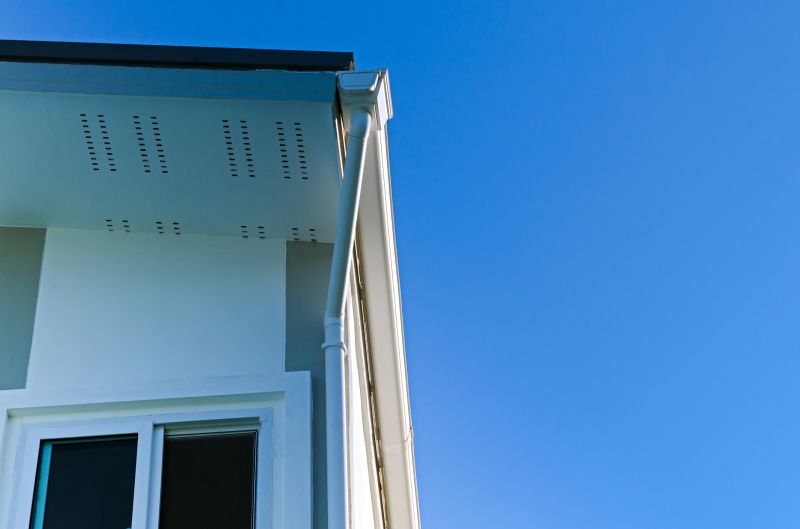
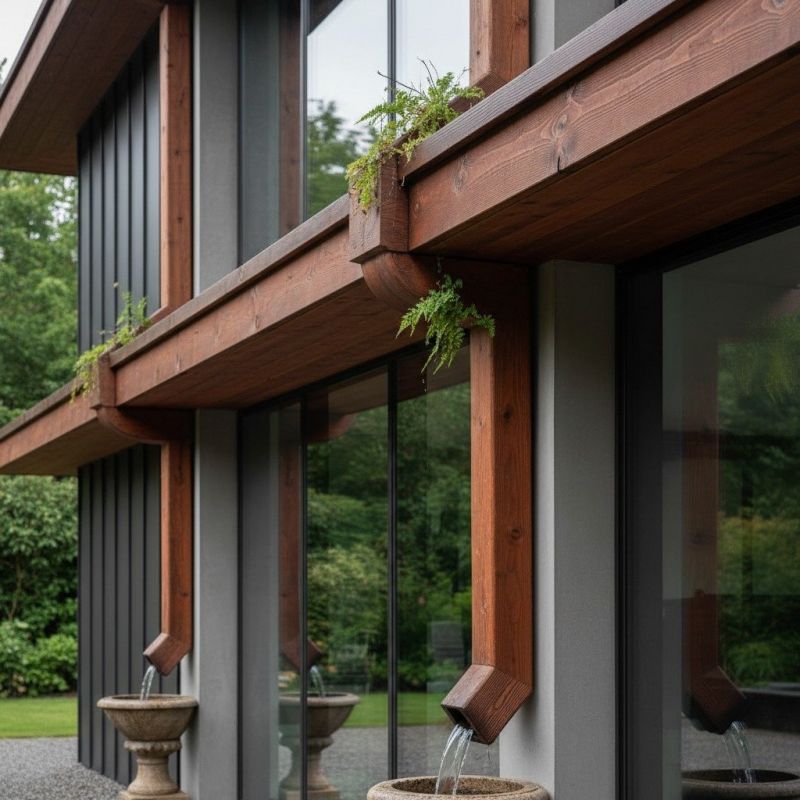
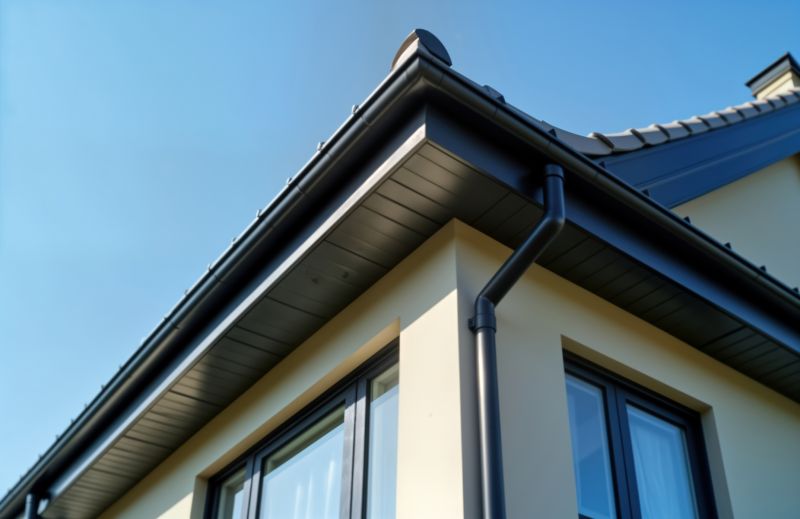
Understanding when to install new gutters versus replacing existing ones is a common concern among homeowners planning exterior upgrades or repairs. Typically, individuals searching this topic want to determine whether their current gutter system can be repaired or if a full replacement is necessary. This decision often hinges on the condition of the existing gutters, the extent of damage or wear, and the goals for improving drainage or curb appeal. Homeowners may be considering a gutter upgrade during a broader renovation or seeking a cost-effective solution to ongoing issues like leaks, sagging, or overflowing. Connecting with local contractors who specialize in gutter installation can help clarify whether a new installation or replacement best suits the property’s needs.
This topic relates closely to a variety of property issues and plans. For example, homes with persistent water damage, foundation concerns, or landscape erosion often prompt inquiries about gutter repair or replacement. Similarly, homeowners undertaking remodeling projects may want to upgrade outdated or inefficient gutters to better protect their investment. Problems such as rust, cracks, or loose brackets suggest that existing gutters may no longer be effective, making replacement the more practical choice. Conversely, if the current gutters are relatively intact but show minor issues like small leaks or sagging, a professional repair or partial upgrade might suffice. Local service providers can assess the specific condition of gutters and recommend the most suitable course of action.
The types of properties that frequently come into consideration for gutter work include single-family homes, especially those with complex rooflines or multiple stories, as well as multi-unit residential buildings and small commercial properties. Older homes with original gutter systems often require evaluation to determine whether repairs can extend their lifespan or if replacement is inevitable. Newer homes might benefit from upgraded gutter materials or designs that improve durability and functionality. Regardless of property type, the decision to install new gutters versus replacing existing ones depends on the severity of damage, age of the system, and the homeowner’s long-term goals for maintenance and performance. Local contractors experienced in gutter services can provide tailored advice based on these property-specific factors.
When evaluating whether to install new gutters or replace existing ones, it is important to consider the overall condition of the current system and the specific problems faced. Local pros can inspect gutters for signs of deterioration, such as rust, cracks, or loose attachments, which may indicate that replacement is necessary. They can also advise on whether a full installation might offer benefits like improved materials, better drainage options, or enhanced aesthetic appeal. Homeowners planning to undertake exterior upgrades or facing frequent gutter-related issues should view this decision as part of a broader effort to protect their property and improve its exterior. Connecting with experienced service providers ensures that the chosen approach aligns with the home’s needs and provides a long-lasting, effective solution.
Gutter cleaning services - these projects involve inspecting and maintaining existing gutter systems, which can help determine if repair or replacement is needed based on the condition of gutters when considering installation or replacement.
Roofing repairs and replacements - roofing work often requires gutter assessments to ensure proper water drainage, making these skills relevant when deciding between installing new gutters or replacing existing ones.
Siding installation and repair - siding projects often require gutter adjustments or replacements to ensure water runoff is managed effectively, aligning with decisions about gutter installation or replacement.
Downspout and drainage system upgrades - upgrading drainage components involves planning for proper gutter connections, which is closely related to understanding when to install new gutters versus replacing old ones.
Home exterior renovation projects - these projects often include gutter work as part of comprehensive upgrades, requiring knowledge of gutter installation and replacement timing.
Leak repair and waterproofing services - identifying leaks may involve inspecting and replacing gutters to prevent water damage, linking directly to the decision-making process for gutter replacement or new installation.
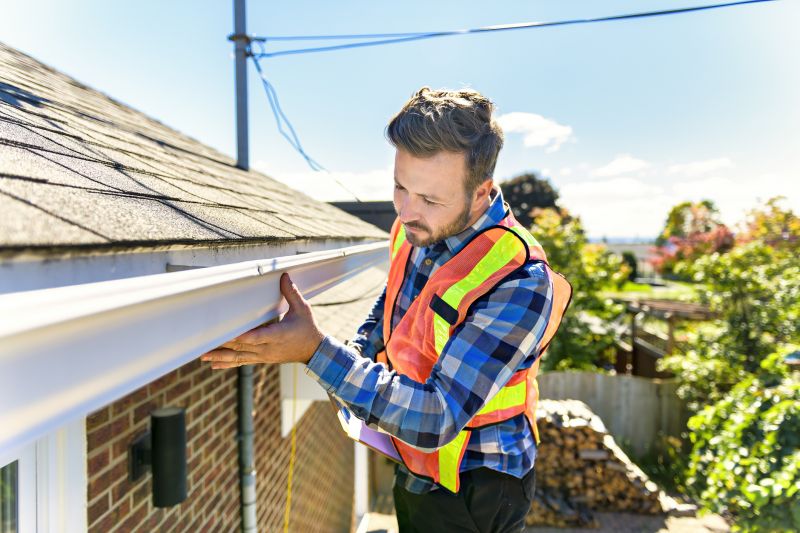
When comparing service providers for new gutters installation services, it is important to consider their experience with similar projects. Homeowners should seek out local contractors who have a proven track record of handling gutter replacements and installations comparable to their specific needs. A contractor’s familiarity with different gutter systems, installation techniques, and common issues can help ensure the work is performed efficiently and effectively. Verifying the types of projects a contractor has completed can provide insight into their expertise and confidence in managing the nuances of replacing existing gutters versus installing new ones.
Clear written expectations are essential when evaluating potential service providers. Homeowners should look for contractors who can provide detailed descriptions of the scope of work, materials used, and the process involved in installing new gutters or replacing existing ones. Having this information in writing helps prevent misunderstandings and ensures that both parties are aligned on project goals. Good communication from the outset can also indicate a contractor’s professionalism and commitment to transparency, making it easier to compare options and make an informed decision.
Reputable references and a history of good communication further distinguish reliable local contractors. Homeowners are encouraged to ask for references or reviews from previous clients who had similar work done. This can offer valuable insights into the quality of craftsmanship, reliability, and how well the contractor communicates throughout the project. A service provider who maintains clear, consistent communication and has positive references is more likely to deliver a smooth experience when determining whether to install new gutters or replace existing ones, ensuring the project aligns with the homeowner’s expectations and needs.
Property owners often search for when to install new gutters vs. replace existing ones on your home when they are planning practical projects around their homes and businesses. Local pros provide New Gutters Installation services for everyday jobs and straightforward project options.
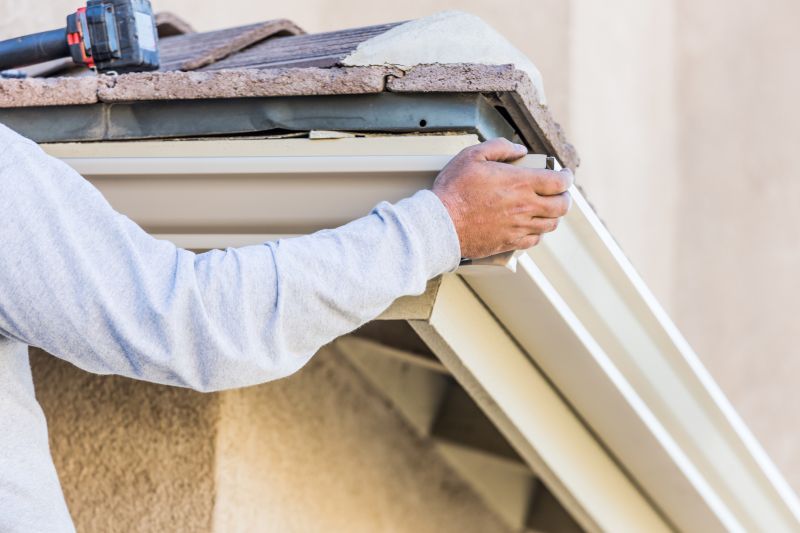
Understanding when to install new gutters versus replacing existing ones is a common concern for property owners looking to maintain their home's exterior. If gutters are showing signs of significant damage, such as extensive rust, cracks, or sagging that cannot be repaired, it may be time to consider a full replacement. Local contractors can assess whether a straightforward installation of new gutters is suitable or if the existing system is beyond repair, ensuring that the home remains protected from water damage and foundation issues. Homeowners often seek out these services after experiencing frequent clogs, leaks, or if their current gutters no longer effectively direct water away from the property, making professional installation a practical solution.
In everyday situations, property owners might look into new gutter installation services when upgrading their home’s exterior or after noticing persistent problems that simple repairs won't resolve. For those with older gutter systems that have reached the end of their lifespan, replacing them can provide a fresh, reliable setup that better handles seasonal weather changes. Local service providers can help determine whether a full replacement is necessary or if repairs might suffice, based on the condition of existing gutters and the specific needs of the home. This way, homeowners can make informed decisions about maintaining their property’s drainage system, ensuring their home remains protected and functional.
How can I tell if my existing gutters need to be replaced rather than just repaired or upgraded? Signs such as frequent leaks, sagging, rust, or significant damage typically indicate that replacing existing gutters is more effective than repairs or upgrades.
When should I consider installing new gutters instead of replacing the current ones? If gutters are severely damaged, outdated, or no longer functioning properly despite repairs, installing new gutters with the help of local contractors may be the best option.
What are the benefits of installing new gutters versus replacing existing ones? Installing new gutters can improve overall performance, reduce ongoing repair costs, and enhance the home's appearance compared to patching or replacing only parts of existing gutters.
How do I determine if my existing gutters are still structurally sound enough for repairs or if replacement is necessary? A professional inspection can assess the structural integrity of existing gutters and help decide whether repairs or full replacement is the better choice.
What factors should I consider when deciding between installing new gutters and replacing existing ones? Factors include the extent of damage, age of the current gutters, material condition, and whether upgrades are needed for better performance, which local contractors can evaluate during an inspection.
Assessing gutter condition - inspecting existing gutters for rust, cracks, or sagging can help determine if replacement is necessary before installing new gutters.
Considering property age and history - older homes with frequent gutter issues may benefit from complete replacement to ensure proper drainage and avoid ongoing repairs.
Evaluating existing gutter system compatibility - when existing gutters are incompatible with new roofing or siding, installation of new gutters can improve overall home protection.
Identifying signs of damage or wear - visible damage or persistent leaks in existing gutters suggest that replacement may be more effective than repairs when installing new gutters.
If you are thinking about when to install new gutters vs. replace existing ones on your home for a property, this guide is meant to help you understand this topic, the typical project types, and how different options might fit your plans.
When you are ready, you can use the quote form on this page to share a few details about your project. From there, local pros can review the basics and follow up with options that match what you have in mind.